Uber Group Travel Tips: The Smart Way to Ride Together
Ride Share Tips for Groups: The Ultimate Guide
Look, we’ve all been there. You’re out with a crew of five or six, the night’s winding down, and suddenly everyone’s staring at you to figure out how you’re all getting to the next spot or back to the hotel. You pull out your phone, try to call an Uber, and immediately hit a wall. The car shows up, it’s tiny, the driver sees your group, and they either cancel or make it clear they’re not happy. Managing Uber group travel without a plan is a fast track to wasted time, bruised egos, and a blown budget. This isn’t just about calling a carâit’s about logistics, communication, and knowing exactly which buttons to press to keep your crew moving. I’ve navigated this chaos in cities from Nashville to Miami after concerts, late-night dinners, and long days at conferences. Here’s the real playbook for keeping your group rolling without the drama.

Why Standard Uber Rides Fail for Groups
The biggest mistake most groups make is assuming an UberX will work. It won’t. An UberX fits four people, and that’s a tight four. If anyone has a bag, a purse, or legs longer than a hobbit’s, you’re guaranteed an uncomfortable ride. Then there’s the cancellation problem. Drivers see a gaggle of people standing at a curb, and they often keep driving. They’re thinking about the time it takes for your group to pile in, the chaos of your bags, and the inevitable argument over who sits where. The other killer is surge pricing. Groups tend to travel during peak times: bar close, concert let-out, airport arrivals. When you need two or even three cars, that surge isn’t just multiplying one fareâit’s multiplying your entire night’s cost. A simple UberX at 2 AM might be $40, but the second you need two of them, you’re looking at $80 minimum. That’s a lot of drinks or dinner money down the drain before you even get home. The standard approach is broken. You need a system.
Choosing the Right Uber Ride Type for Your Group Size
Not all Ubers are created equal. You have to match the vehicle to your group’s actual needs, not just the number of people. Here’s the breakdown:
- UberX: Up to 4 passengers. Best for a couple of friends running errands. Avoid for any group with bags or gearâthe trunk space is laughable.
- UberXL: Up to 6 passengers. This is your go-to for most groups of 5 or 6. More space, better for luggage, and the drivers are usually used to handling larger parties. Expect to pay a premium over UberX, but it’s almost always cheaper than ordering two separate Ubers.
- Uber Comfort: Fits 4, but with newer cars and more legroom. Good if you have a small group that wants a nicer ride, but for a true group of 4 with bags, UberXL still wins on storage.
- Uber Black: Fits 4, but it’s the premium tier. Only use if you’re celebrating something special or have a budget that doesn’t care about price. It won’t solve your space issue for a group of 5 or 6.
Here’s a practical tip: always check the vehicle’s listed capacity before booking, especially if you have large suitcases. A Chevy Suburban might say “XL,” but its trunk space is different from a Ford Expedition. If you’re a group of 6 with bags, you might need to split into two Ubers even within the XL category. The app lists passenger capacity, but cargo capacity is a mystery. When in doubt, overestimate your space needs. If you’re a group of 4 with full luggage, go XL. It’s a few extra dollars for not sitting on someone’s duffel bag for 20 minutes.
How to Handle Fare Splitting Without the Drama
This is where friendships get tested. You can avoid that awkward “who pays” dance by using Uber’s built-in Split Fare feature. Here’s how it works: one person requests the ride, then in the app, you select “Split Fare” and add your friends. They get a notification, they accept, and the fare is divided evenly at the end. Simple, right? Well, it has a major flaw. Uber splits the fare based on the number of riders, not necessarily the distance or time each person is in the car. So if one friend lives closer and gets dropped off first, they still pay an equal share. That’s the tradeoff. The alternative is to have one person front the entire cost, then use a payment app like Venmo or Cash App to get reimbursed. I’ve found it’s best to agree on the plan before the ride, not after. Say, “Hey, I’ll pay this one, you Venmo me $12, and we’ll call it even.” Also, don’t forget the tip. Agree on a percentage or a flat amount before you start splitting. A 20% tip on a $50 ride is $10. That’s not a huge amount per person, but if you haven’t accounted for it, someone ends up short. The easiest way to manage this? Use a dedicated group expense tracker. A small notebook or a budgeting app on your phone can save a lot of headaches. If you’re looking for a physical tool, a simple pocket ledger book works wonders for keeping track of these small debts over a trip. Groups on longer trips may find a group trip expense tracker helpful for staying organized.

The Best Pickup Strategy for a Large Group
The pickup location is more important than the ride type. I’ve seen a group of six try to get picked up right outside a packed stadium, and they waited 20 minutes while drivers kept canceling. Here’s the strategy: pick a spot that’s easy for a driver to stop and where your group can safely gather. Avoid hotel driveways during checkout time, busy intersections, and the main entrance to a concert venue. Instead, walk a block away to a side street or a parking lot. This isn’t about being dramaticâit’s about efficiency. I always tell one person to be the “pin dropper.” That person selects the exact pickup location in the app, then screenshots the map and sends it to the group chat. This way, everyone knows where to stand. If you’re splitting into multiple rides, each driver gets the same or a very close pin. The biggest mistake? Five people standing in a no-loading zone. A driver sees that, knows they can’t safely stop, and they immediately cancel. Then you’re waiting again. Be ready before the car arrives. Have the bags at your feet, everyone knows the plan, and the person on the app is watching the driver’s approach. It sounds simple, but it’s the difference between a 5-minute pickup and a 15-minute hassle.
Managing Multiple Rides: When One Car Isn’t Enough
Let’s be honest: not every group fits into one XL. You have six people and full suitcases, or you have a group of eight heading to the airport. The solution isn’t to cram everyone inâit’s to manage two rides effectively. Here’s the workflow: split your group logically. Put the people with the most bags together, or split by who wants to leave earlier. Then, stagger your requests. Don’t call both Ubers at the exact same time. Call the first one, wait until they’re 3 minutes away, then call the second. This way, both drivers don’t arrive simultaneously at the same small pickup point, creating a circus. Use the same digital pin for both if it’s a wide enough spot, or pick two locations that are 50 feet apart. A group chat is essential here. Text the group: “Red car with Maria and the bags, blue car for the rest of us. Meet at the gate.” If you don’t have a chat, people wander off or get in the wrong car. The tradeoff is clear: one UberXL might cost you $60 but takes 20 minutes to arrive, versus two Ubers that cost $30 each and take 7 minutes. Sometimes it’s faster and cheaper to take two cars, especially during surge pricing. One tool that makes this smoother is everyone having a charged phone. A dead phone means you lose the chat, the ride confirmation, and your ability to call your friends. I never travel with a group without a portable battery pack. They’re small, cheap, and save the day when someone’s battery drops to 10% right before the ride arrives. A portable battery pack for travel is a simple solution for keeping everyone connected.
Avoiding Surge Pricing on Group Trips
Surge pricing is the enemy of the group trip. When you need multiple rides, a surge multiplier of 2.0 turns a $40 ride into an $80 ride, and if you need two cars, that’s $160. It’s painful. The good news is you can work around it without sitting on a curb for an hour. The simplest trick: walk a few blocks away from the congested area. I’ve seen this work perfectly outside a packed club. Everyone steps out, walks two blocks north to a quieter street, and suddenly the surge drops from 3.0 to 1.3. It takes 5 minutes of walking and saves you 30% or more per person. Another tactic is to wait. During peak times like bar close or concert let-out, surge pricing spikes hard but usually drops off within 10 to 15 minutes. Grab a bottle of water, stand in a spot where you’re not blocking traffic, and just wait. You’ll pay less. If you’re heading to the airport, use Uber’s scheduled ride feature for a guaranteed rate. It locks in the price a few hours early, avoiding the morning or early evening surge. Also, don’t be loyal to just Uber. Open Lyft and compare. Sometimes Lyft has a fixed price or a lower surge for the same route. The goal is to not pay the premium when you don’t have to. A short walk or a 10-minute wait is a pretty small price for saving enough to buy a round for the group at the next spot.
What to Do When a Driver Cancels on Your Group
It happens. You order the ride, the driver is 4 minutes away, the pin is set, everyone’s ready, and then the notification pops: “Your driver has canceled.” It’s frustrating, but don’t take it personally. Drivers cancel for a few reasons: they see a large group and anticipate a slow load-in, the pickup area is chaotic and they can’t safely stop, or they’re running late on another job. what matters is to recover fast. Don’t wait around. Immediately re-request the ride, and if you can, upgrade to UberXL or Uber Comfort. This signals to the next driver that you’re a serious, potentially higher-paying fare. Also, use that time to evaluate your pickup spot. Was it too busy? Could you walk to a less crowded spot? If you had four people waiting on a busy corner, try moving to a driveway or a nearby parking lot. The worst thing you can do is get angry or stand there for 10 minutes doing nothing. Cancel, adjust, and re-request. The whole process should take less than 2 minutes. Remember, it’s not personal. Drivers are running a business, and your group’s chaos is a risk they’re not willing to take. Your job is to make it easy for them to say yes.
Luggage and Gear: Making It Fit Without a Fight
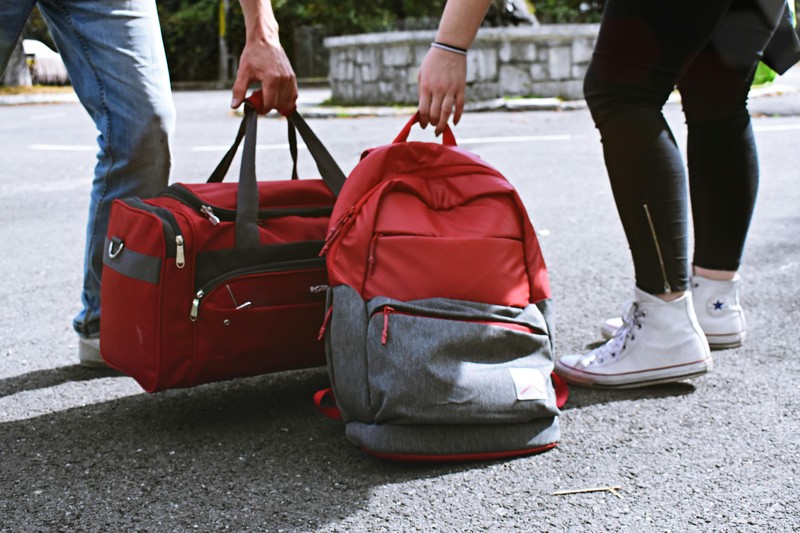
Luggage is the silent killer of group rides. You think you’re five people with a carry-on each? That’s five bags that need to fit alongside five adults. It’s a disaster waiting to happen. The first rule: pack strategically. Soft duffel bags are far easier to squeeze into a trunk than hard-shell suitcases. They compress and mold around other bags. If you’re a group heading for a weekend trip, have everyone use a duffel or a backpack instead of a suitcase. It makes a massive difference. If you do have suitcases, spread them across multiple rides. Don’t assume every UberXL has the same trunk space. An SUV like a Ford Explorer might have a big back area, but a minivan’s last row might be folded to accommodate bags. Check the app’s info or, better yet, have the person with the biggest bag request the ride and note the vehicle type. Another mistake is leaving strollers or gear unfolded. If you have a child, collapse the stroller before the driver even stops. It saves 30 seconds of awkward fumbling. If you have multiple backpacks, have people hold them in their laps instead of fighting for trunk space. The goal is to make loading and unloading take under a minute. If you’re at the airport with a pile of luggage, consider ordering two Ubers even if you could technically fit six people in one. The comfort of having space for your bags is worth the extra few dollars. Using collapsible duffel bags for travel can help everyone pack lighter and fit more easily.
Safety Considerations for Group Rides
A group is a safety asset, but it can also be a distraction. The basic rules still apply: verify the driver’s name, photo, and license plate before anyone gets in the car. Don’t just rely on the app’s infoâactually check it. I’ve seen groups pile into a car without confirming, and that’s a risk you don’t need. For late-night rides, share your trip status with a friend back home or in another car. Uber has a built-in feature for this. It’s quick and can give peace of mind. Designate one person to handle all the payment and communication with the driver. This person should be sober and aware of the route. If everyone is trying to shout directions or talk to the driver, it’s chaos. That designated person also handles the tip and the fare split, so everyone else can relax. If you’re in an unfamiliar area, be extra cautious about your pickup point. Avoid dark alleys or empty parking lots. Stick to well-lit areas with foot traffic. A group can also be a distraction. If everyone is laughing and talking, you might not notice if the driver takes a wrong turn or if someone leaves a bag in the car. Stay aware. The group is better than being alone, but it’s not a shield for common sense.
Alternatives to Uber for Large Groups
Uber isn’t the only game in town, and sometimes it’s not the best one. For groups of five or more, a regular taxi can be a better deal. Taxis often have flat rates to the airport or from downtown, and they don’t use surge pricing. If you’re in a city with a strong taxi presence, it’s worth checking. Another solid option is a dedicated shuttle service. This is especially useful for groups of 8 to 12 people heading to an event, a winery, or a long-distance destination. A shuttle booked in advance costs a flat fee, and you can often negotiate a per-person rate that’s cheaper than four Ubers. The tradeoff is convenience. With a shuttle, you have to be at the pickup point at a specific time. With Ubers, you can leave whenever you want. But if your group’s schedule is fixed, a shuttle eliminates coordination headaches. Ride-sharing apps like Lyft are also worth checking. I’ve found that sometimes Lyft has better availability or lower prices in certain neighborhoods, especially during events. Having both apps on your phone means you can compare in real-time. The point isn’t to ditch Uber entirelyâit’s to know your options. If you’re a group of 6 heading to a baseball game, a taxi might be faster and cheaper. If you’re a group of 12 heading to a wedding after-party, a shuttle is the play.
Summing It Up: Your Group Ride Playbook
Handling Uber with a group doesn’t have to be a nightmare. what matters is planning. Pick the right ride type for your group size and luggage. Use UberXL for groups of 5 or 6, and don’t be afraid to split into two cars if needed. Split fares fairly before the ride starts, using the app or payment apps, and always agree on a tip. Choose your pickup spot wisely to avoid cancellations, and use a group chat to keep everyone on the same page. Be smart about surge pricing: walk a block, wait 10 minutes, or compare Lyft. When a driver cancels, re-request quickly and adjust your spot. And don’t forget the gearâsoft bags and portable chargers make everything smoother. A little planning saves you money, time, and headaches. So next time you’re heading out with your crew, you’ve got the playbook. Ready to get started? Find your options here and roll out.