How to Plan a Casino Night Bachelor Party: The Complete Guide
html
Ready to Deal?
If you’re the one planning a casino bachelor party, you already know the stakes: too much pressure, and the night flops. Too little planning, and you’re stuck with a bunch of guys staring at a card table with no chips. But when done right, a casino night is one of the most engaging, social, and flexible bachelor party ideas out there. It works for a group of six or twenty-six, it fits almost any budget, and everyone gets to play.
This guide covers everything you need to plan a casino-night bachelor party that actually works. From choosing the venue and getting the right tables to setting a budget, feeding the crew, and walking away with prizes. No fluff. Just step-by-step logistics that keep the energy high and the stress low. Whether you’re going all in or betting small, these casino bachelor party ideas will get you there.
Why a Casino Night Works So Well for a Bachelor Party
The appeal is simple: it’s naturally social. Unlike a bar crawl where people break off into smaller groups, casino games pull everyone together around a table. The groom plays blackjack next to his college roommate and his future brother-in-law. Conversation happens. Competitions happen. People who don’t know each other well have a built-in reason to interact.
Another big advantage: it scales easily. A casino night works in a small apartment with two tables just as well as it does in a rented event space with five professional dealers. You’re not locked into a specific headcount or guest list. If three more people show up, you pull up another chair.
The biggest mistake I see? Overcomplicating the games. Guys try to run five different table games, hire a professional croupier for each, and turn the night into a logistical nightmare. Stick to two or three games, keep the rules simple, and let the atmosphere do the work. You don’t need a casino floor. You need a room where people are having fun.
Step 1: Decide on the Venue â Home, Bar, or Event Space
Your venue determines everything else. Here’s how the three main options stack up.
Home Setup (Best for Budget)
Hosting at home is the cheapest option by far, but it comes with work. You’ll need to clear out furniture, set up tables, manage the music, handle cleanup, and stock the bar. You’re also limited by space. A two-bedroom apartment can comfortably fit two tables. A living room with an open floor plan might handle three. The upside is total control and no time limit. If the game is hot at 2 AM, nobody is kicking you out.
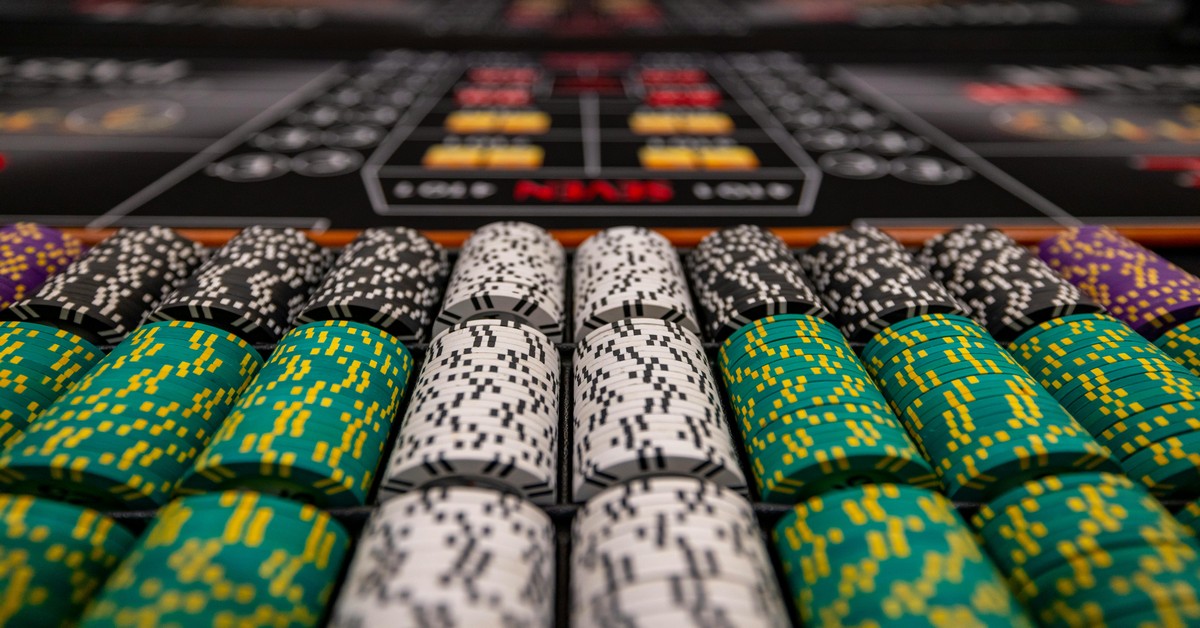
If you’re hosting at home, investing in a good-quality poker chip set and felt table toppers makes a big difference in how the night feels. Poker chip sets on Amazon offer options that look authentic without breaking the bank.
Bar Back Room (Best for Convenience)
Many sports bars, breweries, and pubs have back rooms or private areas they’ll rent for the night. This is the sweet spot for most groups. You get a dedicated space, a bartender, often a sound system, and you don’t have to clean up. Most places will let you bring in your own tables and decorations. The tradeoff is a time limit (usually 3â4 hours) and a minimum spend on food and drinks that can add up fast.
Call ahead and ask about privacy. Some back rooms are just partitioned off from the main bar. If you want a true private event, ask if the space has a separate entrance.
Full Event Space (Best for Premium)
Event spaces, banquet halls, or even private club rooms give you the most room and the least headache. They often come with tables, chairs, and built-in AV. Some even have built-in bars or catering kitchens. The cost is higher â think $500 to $1500 for a night depending on your city â and you’ll likely need to bring in your own dealers and games.
This option is best when the group is larger than 15 people or when you want to keep the entire night in one place with no distractions.
Step 2: Choose Your Casino Games â A Practical Breakdown
You don’t need every game in Vegas. Here’s what works best for a bachelor party.
Poker (Texas Hold’em)
Easy setup, moderate space needed, up to 9 players per table. Poker runs itself once everyone knows the rules. If your group has a few experienced players, they’ll naturally handle dealing. The downside: poker games can run long. One round of Texas Hold’em can go 45 minutes. If you’ve only got a few hours, you may only get two or three rounds in.
Blackjack
Best for pace. A hand of blackjack takes 30 seconds. A player can go through a stack of chips in 10 minutes or play conservatively all night. Blackjack tables seat up to 7 players, and they’re easy to learn even for first-timers. The dealer needs to know basic strategy, but anyone can read a printed cheat sheet. This is the game I recommend for any group that includes new players.
Craps
High energy, but a logistical challenge. Craps needs a dedicated table (not a fold-out), it’s loud, and it takes up a lot of floor space. Dice can roll off the table, get lost under furniture, and stall the game. Skip craps unless you’ve got a big space and experience running the game. The payout table alone is confusing for beginners.
Roulette
Visually impressive and easy to run. One person spins the wheel, everyone bets, action stops, repeat. Roulette wheels are bulky, so you’ll need table space. They’re also surprisingly expensive to buy new. If you’re on a budget, a simplified wheel with numbered slots is fine. The game is all about anticipation, not perfect odds.
Wheel of Fortune or Big Six Wheel
This is the easiest game to run. A vertical wheel with colored segments. Everyone bets on a color, you spin, the ball lands, payouts are simple. It’s perfect for filling time between serious games or for keeping the less competitive guests engaged. Setup is zero. Just buy a decent wheel.
For groups looking to simplify equipment shopping, casino game kits on Amazon include cards, chips, and basic accessories. They’re not Vegas-grade, but they’ll get you through the night without a hitch.
Step 3: Hiring Dealers vs. Going DIY
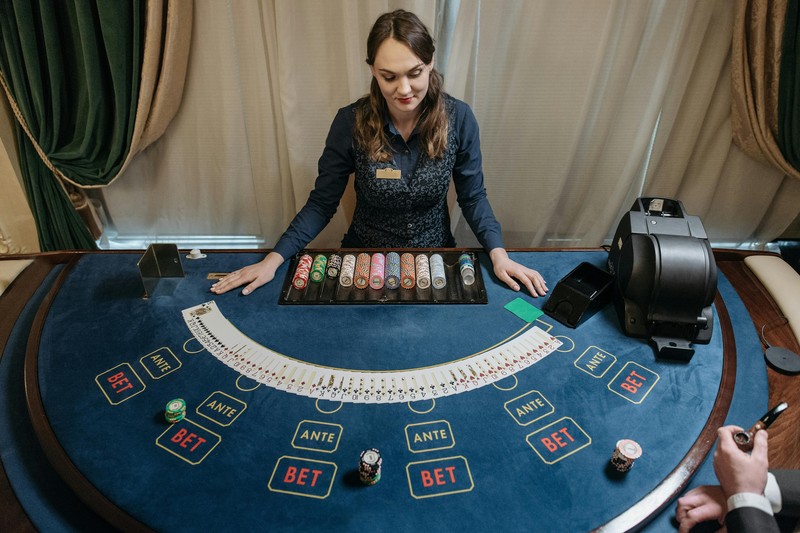
This is where most plans either come together or fall apart. Hiring professional dealers from a local casino party company costs between $50 and $100 per dealer per hour. That adds up fast. But they bring authentic chips, real tables, and a level of showmanship that keeps the table moving at the right pace. Players don’t have to wait while someone looks up the rules. Payouts are automatic. The whole night flows.
Going DIY means someone in the group acts as dealer for each game. This is cheaper, but it creates a problem: the dealer doesn’t get to play. If you’ve got eight guys and one of them is dealing blackjack all night, that guy is working. Not ideal for a bachelor party.
The middle path: buy a good table, printed rule cards, and rotate dealers every 30 minutes. Let everyone take a turn running the game while others play. This works well with Texas Hold’em because the dealer role passes naturally. For blackjack, you’ll need at least two people who know the rules well enough to keep the game moving.
I once went to a party where nobody knew how to deal blackjack. The game stalled out after four hands. The dealer kept asking for chip color rules, payout percentages, and insurance bets. The table lost momentum, players drifted off, and the night flatlined. Avoid that by picking one game your group knows well and making it the centerpiece. Save the experimental stuff for later.
Step 4: Setting a Budget â What It Actually Costs
Let’s break it down by tier.
Basic Tier (Under $500)
For a group of 6 to 10 people. You’re hosting at home or a very cheap bar back room. You’re buying a basic chip set ($30â$50), a decent table topper ($40â$70), and printing your own rule cards. Food is ordered in (pizza or subs), beer and a couple of bottles of liquor are bought from a store. Dealers are friends. Prizes are a bottle of whiskey and a novelty t-shirt. Total all-in: $300 to $450.
Mid-Range Tier ($500â$1500)
For 10 to 20 people. You’re in a bar back room or a small event space ($200â$500 rental). You’re buying better quality chips and a foldable roulette wheel ($150â$300). You hire one professional dealer for blackjack and run poker yourself. Food is catered or ordered from a local restaurant. Prizes include a cigar set and an Amazon gift card. Total: $700 to $1200.
Premium Tier ($1500+)
For 15 to 30 people. You’ve rented a full event space ($500â$1000). You have three professional dealers covering blackjack, poker, and roulette ($600+). Chips, tables, and wheels are rented from the casino company. Food and an open bar are included. Prizes are more substantial â a premium bottle of scotch, a weekend getaway package, or high-end poker chips. Total: $2000 to $3500 depending on location.
Step 5: Decor and Atmosphere â Bells, Whistles, and Lighting
You don’t need Las Vegas neon to make a casino night feel real. The trick is lighting. Dim the overhead lights and use floor lamps or string lights to create pools of light around each table. This focuses attention on the game and makes the room feel intimate.
Table covers matter. Felt or velvet covers in green or red transform a folding table into a casino table. They’re cheap and reusable. Get a few pieces of casino-themed signage â ‘HIGH LIMIT’, ‘PLAYERS ONLY’, ‘JACKPOT’ â and tape them to walls or doors. It’s a small detail that makes a big difference in how the space feels.
Travelers or hosts looking for a quick setup will find casino party decoration kits on Amazon handy. They typically include table covers, signs, fake money, and photo booth props. They’re under $30 and save you the hassle of shopping for individual pieces.
One thing to avoid: strobe lights or anything that flashes. They’re distracting, annoying after 20 minutes, and they make it harder to see cards. Keep the vibe low and warm. Let the game be the light show.
Step 6: Food, Drinks, and a Night of Gaming
Gambling and eating don’t mix if you’re not careful. People will be sitting at tables with their hands on chips or cards. Sticky fingers, greasy plates, and spilled drinks will ruin the game. Go with finger foods that are one-handed eats: sliders, skewered meat, spring rolls, mini tacos, or charcuterie cups. Avoid wings, ribs, or anything with sauce that drips.
Drinks should be self-serve if possible. Set up a bar station with a few bottles, mixers, and ice. A signature cocktail â say, a whiskey sour or a casino punch â keeps things consistent and cuts down on empty glassware piling up. Beer is always a safe bet. Have plenty of water on hand. Gambling is dry work.
If you’re renting a space, ask about catering options or a food minimum. Many bar back rooms require a minimum spend on food. That’s fine as long as you plan the menu in advance. Don’t order the same pizza you’d get for a casual game night. Elevate it slightly. It’s a bachelor party.
Step 7: Prizes and Incentives â Keeping the Energy Up
Fake money or chips need a reason to exist. If there’s no prize at the end, the games lose stakes. You need a system.
Use chips or printed cash as the currency for the night. At the end, players cash in their chips for tickets that go into a raffle for bigger prizes. Or you do a straight payout at the end of the night â the guy with the most chips wins the grand prize. The second option is cleaner and easier to explain.
The prizes don’t need to be huge. They just need to be fun. A good bottle of whiskey, a cigar sampler, a leather card holder, a poker set, a Yeti cup, or a gift card to a restaurant the groom likes. Avoid personalized gag gifts that only make sense for one person. The guy who wins the prize should actually want it.
Consider category prizes. Best player (most chips), worst luck (fewest chips), and best bluffer (voted by the group). This gives more people a shot at walking away with something. It also encourages people to keep playing even if they’re down.
Step 8: Common Mistakes to Avoid When Planning a Casino Night
I’ve seen these mistakes kill the momentum of more than one bachelor party. Avoid them.
Mistake 1: No clear time limit. Casino games can run long. If you don’t set a hard end time for gambling, people will keep playing past when the night should naturally wind down. Set a ‘last hand’ time and stick to it. Then transition into open drinking, music, or a toast. You need a natural exit point.
Mistake 2: Too few dealers. Three tables, one dealer. The dealer burns out, players wait, the energy drops. Have at least one person per table who can handle the game. If you’re DIY, train two or three guys before the night. Everyone should know basic rules and payout.
Mistake 3: Too many high-stakes players. Some guys want to go all in every hand. That’s fine for poker, but it kills the longevity of the game for others. Set a buy-in limit. Everyone starts with the same amount. If someone goes bust early, they either buy back in or they sit out. This keeps the game balanced.
Mistake 4: Poor seating arrangements. Casino tables take up more space than you think. A blackjack table requires at least 5 feet of clearance on the dealer side and 3 feet on the player side. Measure your room before you buy or rent tables. Nothing kills a game faster than players unable to reach the table.
Mistake 5: No backup plan for bad weather. If you’re hosting outdoors or in a space with outdoor access, rain will ruin your night. Have an indoor alternative ready. Casino equipment â especially cards and chips â don’t do well in damp conditions. Neither do your guests.

Step 9: What to Look for in a Casino Night Event Space (If You Go Paid)
If you decide to rent a space, here are the questions you need to ask before you sign anything.
- Are tables included? If not, you’ll need to bring your own.
- What’s the noise policy? Casino games can get loud, especially craps or enthusiastic blackjack players. You don’t want to get shut down.
- Is there a sound system? You’ll want background music. Bring a portable speaker if they don’t have one.
- What’s the access policy? Can you set up an hour before? Do you need to lock up after?
- Is there a bar on site? If not, can you bring your own alcohol? If yes, what’s the corkage fee?
Booking a space is about convenience, not atmosphere. Don’t get sold on velvet ropes and chandeliers. You’re there to play cards and drink beers. Make sure the space lets you do that without additional fees or restrictions.
Step 10: Final Checklist â From Invites to Cleanup
Use this timeline to keep everything on track.
Two Weeks Out
- Send invites via group chat or an online invitation service. Include the time, location, dress code (casual but sharp), and what to bring (nothing).
- Book your venue if renting. Confirm the reservation in writing.
- Order tables, chips, and game kits. Make sure they’ll arrive at least five days before the event.
- Arrange for dealers if you’re hiring.
One Week Out
- Finalize the food order. For groups under 15, ordering from a local restaurant or catering service is fine. For larger groups, coordinate drop-off time.
- Set up a bar list. Don’t buy individual bottles. Buy in bulk from a store. You’ll save money.
- Test your music setup. Create a playlist that’s upbeat but not overpowering.
Day Of
- Set up tables two hours before guests arrive. Test each game. Walk through the rules with your dealers.
- Set up lighting and mood. Dim overheads, arrange table lamps.
- Stock the bar and set up the food station.
- Have an extra deck of cards and a spare chip set ready.
After the Party
- Collect all chips, cards, and accessories. Store them properly for reuse or return.
- Clean up food and drink spills immediately to avoid stains.
- Send a thank-you message to everyone who came. Include a photo from the night.
That’s it. That’s the plan. The only thing left to do is execute it.
Ready to Roll the Dice?
Planning a casino night bachelor party is straightforward when you focus on the right details: a good venue, the right games, simple food and drink, and a system that keeps everyone engaged. The best nights are the ones where the groom and the guests are too busy having fun to notice how much work went into it. That’s your goal. Make it look easy.
Ready to get started? Find your options here â poker chips, tables, decorations, and more. Everything you need to build a night that everyone will remember.