The Ultimate Pub Crawl Planning Guide: How to Plan a Bar Crawl Your Crew Will Love
Introduction
Planning a pub crawl isn’t just about picking a few bars and hoping for the best. If you want a night that actually flowsâwhere no one is lost, broke, or bored halfway throughâyou need a plan. This guide covers the practical side of organizing a crawl: route logistics, timing, budgeting, and the common mistakes that can turn a great idea into a frustrating mess. Whether you’re organizing a birthday, a bachelor party, or just a weekend with friends, the advice here comes from experience. It’s direct, tactical, and built to make sure your crawl is remembered for the right reasons.
What Is a Pub Crawl and Why Plan One?
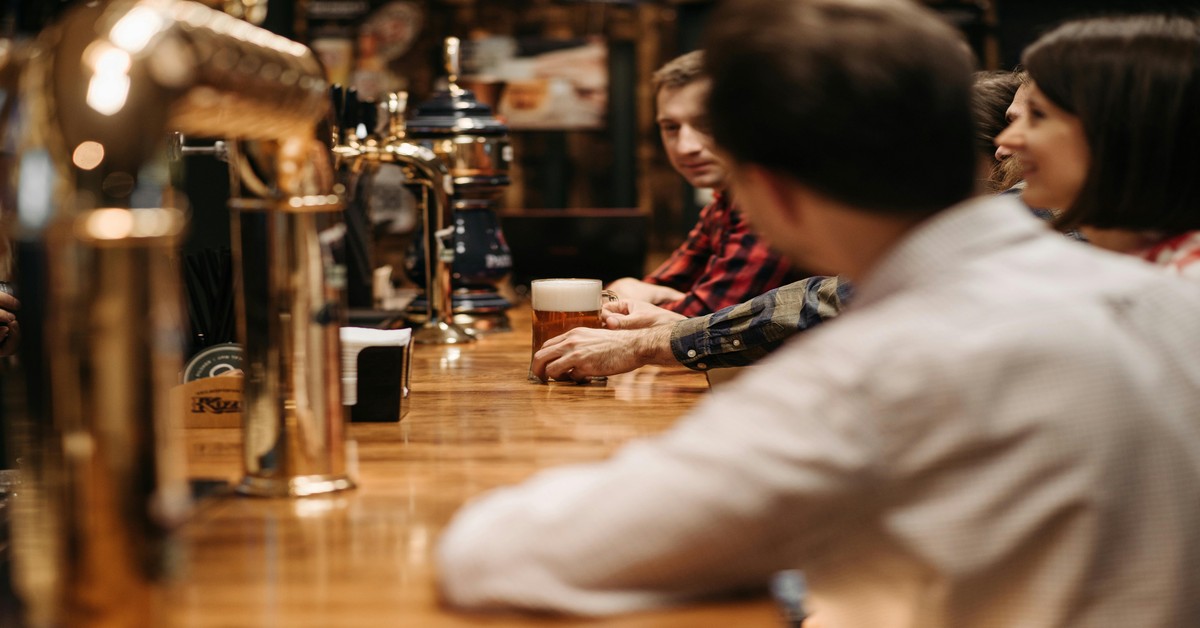
A pub crawl is simply a social event where a group visits multiple bars or pubs in a single night. That much is obvious. But what separates a great crawl from a random bar hop is the planning. Without a plan, you end up standing on a street corner arguing about where to go next. With a plan, you get a night that builds momentum, keeps costs under control, and ensures everyone has a good time.
Planning matters because it solves real problems. It helps you dodge dud bars that kill the vibe. It keeps the group together instead of scattered across a neighborhood. It lets you budget ahead of time so no one gets surprised by a $15 cocktail. This guide is for anyoneâfirst-time organizer or seasoned crawl captainâwho wants to tighten their approach and deliver a night that actually works.
Step 1: Define Your Crawl Style and Crew Size
Before you pick a single bar, you need to decide what kind of crawl you’re running. The style sets the tone for everything else.
Themed crawls are popular. You might focus on dive bars, craft breweries, or rooftop lounges. The theme gives the night a sense of purpose and makes it easier to choose venues. A craft beer crawl means you’re hitting taprooms and bottle shops. A dive bar crawl means cheap drinks and sticky floors. Both work, but they draw different crowds.
Competitive crawls add a layer of fun. Think scavenger hunts, bingo cards, or drinking games at each stop. These work best with groups that are already competitive and energetic. Just don’t overcomplicate itâthree or four simple challenges per stop is plenty.
Social crawls are the most laid-back. The goal is just to catch up with friends and enjoy the night. No pressure, no rules. These work well for mixed groups where tolerance levels vary.
Crew size matters too. Small groups of 4â6 people are easy to manage. You can move quickly, split checks easily, and fit into most bars without reservation issues. Larger groups of 10 or more require more planning. You’ll need to call ahead for space, set clear meeting points, and expect some stragglers. If you’re inviting a big group, set expectations early. Latecomers will happen. Decide if you’ll wait at the first bar for a set time or if they need to catch up on their own.
Step 2: Choosing the Right Neighborhood or Route
The route is the backbone of your crawl. A bad route means long walks, boring stretches, and a night that loses steam. Here’s what to look for.
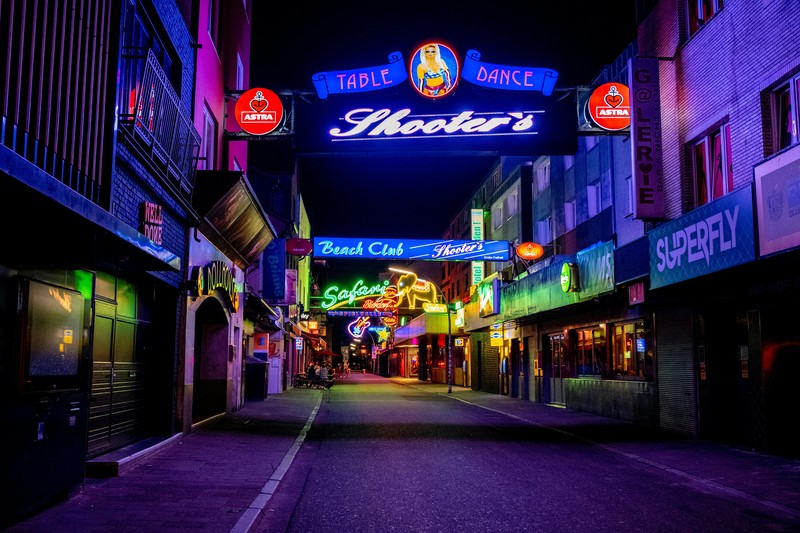
Walkability is essential. You want bars within a 10â15 minute walk of each other. Anything longer and the group starts to fragment. People get tired, call Ubers, or just lose interest. Map out the distance between each stop before you commit.
Safety matters more than you think. Stick to well-lit areas with regular foot traffic. Avoid neighborhoods that feel sketchy after dark, especially if your crawl runs late. Check crime maps or ask locals if you’re unfamiliar with the area.
Variety keeps things interesting. A night in a downtown core gives you densityâbars are packed close together, and you can cover more stops. An arts district might have quirky, unique venues that offer a different vibe at each stop. A strip of dives provides consistency but can feel repetitive by bar four.
The shape of your route matters too. Linear routes are simple: start at point A and end at point B. They work well in neighborhoods with a main drag. Loop routes bring you back near your starting point, which is great if you plan ahead for transportation or have a designated after-party spot. Loops are generally easier to manage because you’re not stranded at the far end of town when the crawl ends.
Here’s a practical tip: scout the route beforehand. If you can’t walk it, use Google Street View to check the sidewalks, lighting, and general feel. You don’t want to discover that the third bar is in a dead zone of closed shops and dark alleys.
Step 3: How Many Bars Is the Right Number?
The most common mistake beginners make is over-planning the number of stops. Six bars might sound ambitious, but by bar four the group is usually ready to slow down. A good rule of thumb is 4â6 bars over 4 hours. That gives you about 45â60 minutes per stop. Enough time for a couple of drinks, a bathroom break, and some conversation without feeling rushed.
Here’s a sample schedule:
- 7:00 PM â Bar 1 (opening drinks, easy pace)
- 8:00 PM â Bar 2 (start the energy up)
- 9:00 PM â Bar 3 (busy hour, expect crowds)
- 10:00 PM â Food break (criticalâdon’t skip this)
- 11:00 PM â Bar 4 (main event stop)
- 12:00 AM â Bar 5 (optional, gauge the group)
Flexibility is key. If the vibe at bar two is perfect, stay longer. If bar four is a dud, skip it. The schedule is a guide, not a prison sentence. Your group will thank you for paying attention to the room.
Step 4: Timing Your Start and End
When you start matters more than most people realize. An early start, like 6 or 7 PM, lets you beat the crowds at the first few stops. You’ll get better service, shorter lines, and more seating. The downside is that the night can feel long. You might hit your wall by 11 PM if you’re not pacing yourself.
A later start, around 9 or 10 PM, drops you into the thick of it. Energy is high, but so are cover charges and wait times. This works better for groups that don’t mind a chaotic start and have the stamina for a late finish.
Set a hard end time. Decide when the crawl officially ends, even if it’s early. Burnout is real, and nothing kills a night like a group that’s forced to power through when everyone is ready to go home. Aim for a finish around midnight or 1 AM. That gives you room for an after-party or a simple Uber home without extending into the rough hours.
Also check venue hours. Some bars close earlier on weeknights. Your favorite dive might shut its doors at midnight on a Tuesday. Call ahead or check online to avoid showing up to a locked door.
Step 5: Budgeting for Drinks, Food, and Incidentals
Pub crawls cost money. It’s easy to lose track when you’re jumping from bar to bar, so set a budget upfront. A realistic per-person budget breaks down like this:
- Drinks: $30â$50 (3â4 bars, 2â3 drinks each)
- Food: $10â$20 (one stop for a slice or a burger)
- Transportation: $10â$20 (Ubers or rideshares)
- Incidentals: $10 (cover charges, tips, water)
That’s a total of about $60â$100 per person for a solid night. Adjust based on your city and the type of drinks you’re ordering. Cocktails cost more than beer. Shots add up fast.
Cash vs. card is a practical decision. Some bars run tabs, which is fine for small groups. For larger groups, cash at each stop is faster and avoids end-of-night disputes. A few crawls use pre-paid drink tokens or wristbands, especially organized events. That’s worth investigating if you don’t want to fumble with wallets at every stop.
One easy money-saving tip: check for happy hour specials along your route. Some bars have late-night happy hours that run until 8 or 9 PM. Line up your first stop to hit those deals. Also look for pitcher deals or punch bowls at venues that offer them. Group buys save everyone money and simplify the ordering process.
Step 6: Gear and Accessories Worth Bringing
You don’t need much, but the right gear makes a real difference. Here’s what solves common crawl problems.
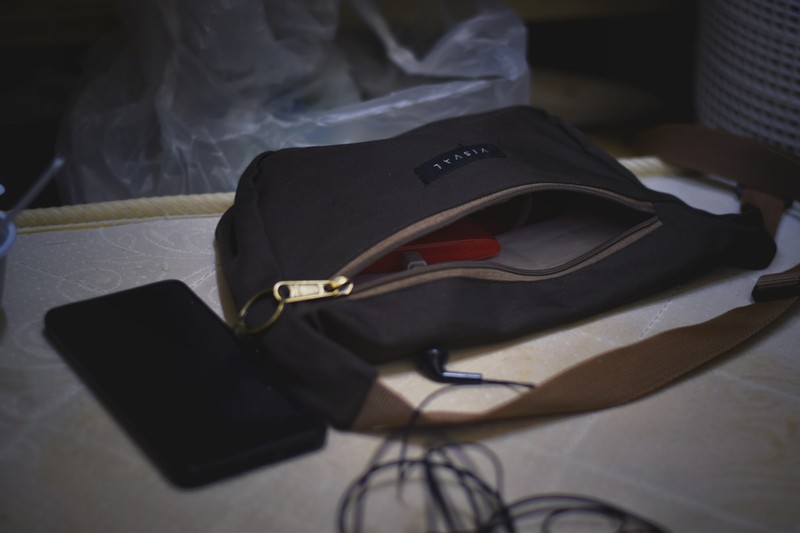
A lightweight crossbody bag keeps your hands free. No one wants to hold a phone, wallet, and keys all night. A small bag that sits across your body is secure and easy to access. Look for one with a zipper closure to prevent anything falling out in a crowd. This is a small investment that pays off every time you need to grab your phone for a round of shots. Travelers looking for a reliable option should check out a compact crossbody bag built for convenience.
A portable phone charger is essential. Your battery will die by bar three if you’re taking photos, checking maps, and coordinating the group. Get a slim power bank that fits in your bag. You won’t regret it when you’re the one person whose phone still works at midnight. Frequent users may want a high-capacity portable phone charger built to last through the night.
Comfortable walking shoes are worth every penny. Leave the heels and fancy sneakers at home. You’ll be on your feet for hours, moving between bars on sidewalks and streets. A pair of well-cushioned, supportive shoes will save your night. Don’t sacrifice comfort for styleânobody notices your shoes after the second bar anyway.
A small reusable water bottle is a smart add. Hydration between drinks keeps you feeling good and helps pace your alcohol intake. Many bars will fill it for free if you ask nicely. It’s a small habit that prevents next-day regret.
A travel first-aid kit is for the prepared. Pack a few band-aids, pain relievers, and antacid tablets. Someone will thank you when they get a blister or feel the start of a headache. You can find compact kits that fit in a pocket. A compact travel first aid kit is a practical addition for any crawl.
Common Pub Crawl Mistakes to Avoid
After organizing more crawls than I can count, here are the mistakes I see most often.
Planning too many bars. I already mentioned this, but it’s worth repeating. Six bars sounds great until you’re dragging a tired group through bar number five. Stick to 4â6. Quality over quantity every time.
Not eating before. The food break is critical. If you skip dinner or rely on bar snacks, someone will hit a wall by 10 PM. Plan a real food stopâpizza, tacos, or a burger. It resets the group and gives everyone a second wind.
Inconsistent pacing. If you spend 90 minutes at the first bar, the whole night gets thrown off. Set a rough timer. Move on when the energy dips. Your group will appreciate a steady rhythm.
Ignoring venue capacity. A popular bar on a Saturday night might be shoulder-to-shoulder. Your group of 10 won’t fit, and you’ll spend 20 minutes waiting for drinks. Call ahead or check capacity online. Better yet, aim for bars that can handle a medium-sized group without hassle.
Failing to designate a meeting point. You will lose someone. It happens. Have a clear meeting point at each barâa specific spot like the back corner or the outdoor patio. If phones die, your group knows where to regroup.
How to Keep Your Group Together and Happy
Group management is the unsung skill of a good pub crawl organizer. It’s not about being bossy. It’s about keeping the night smooth so everyone has fun.
Set a clear meeting point at each bar. Don’t just say “meet at the bar.” Say “meet at the pool table in the back room.” This prevents confusion when the bar is crowded and people are scattered. Use a group chat for quick updates. Apps like WhatsApp or Messenger work fine, but remember that phones dieâhave a backup plan.
Assign a ‘sweep’ person. This is someone responsible for gathering stragglers before the group moves to the next bar. One person checks the bathroom, checks the smoking area, and rounds up the wanderers. Rotate this role if the group is large.
Respect different tolerance levels. Some people will drink faster than others. Some will want to slow down or switch to water. Let them. A good crawl accommodates everyone. If you push someone to keep up, the night turns sour fast. Strict schedules can work for competitive groups, but for most crawls, a relaxed flow is better. Let the group dictate the pace, within reason.
Safety First: Planning for a Good Night Out
Safety is not a buzzkillâit’s preparation that saves the night. Here’s how to keep everyone safe without killing the fun.
Share your location with a non-participant. Before you head out, text a friend or family member your route and estimated end time. This is a simple step that adds a layer of security. Someone knows where you are if things go sideways.
Pre-book transportation for the end of the night. Ubers and Lyfts get scarce and expensive after midnight. Schedule a ride in advance or have a backup plan like a designated driver. For larger groups, a party bus or minivan can be cost-effective and keeps everyone together.
Know the neighborhood. Check the area for safety before you commit to a route. Avoid places with high crime rates or poorly lit streets. If you’re in an unfamiliar city, ask your hotel concierge or a local friend for advice.
Watch your drink. It’s an old piece of advice, but it still matters. Never leave your drink unattended. If you need to use the bathroom, take it with you or finish it first. Drink covers and bottle openers are small, cheap accessories that make a difference. People looking for a simple solution often opt for drink covers that fit most cups.
Consider a personal alarm or a phone leash. A small personal alarm that clips to your bag is loud enough to deter trouble. A phone leashâa simple tether that attaches to your bagâprevents theft. These are minor expenses that add peace of mind.
Should You Use a Pub Crawl App or Go DIY?
There are apps designed specifically for pub crawls. They offer pre-built routes, drink deals, and social features. The main advantage is convenience. You download the app, pick a route, and follow the prompts. Deals are negotiated with venues, so you might save money on drinks. The downside is limited flexibility. You’re stuck with their routes, which may not match your group’s preferences or location.
DIY planning is the better choice for most locals or themed crawls. You control every detail: the bars, the timing, the budget. It takes more effort upfront, but the payoff is a night that’s tailored to your group. For tourists or first-timers in a new city, an app can be a useful starting point. It gives you a safe, tested route without the research legwork. But if you’re organizing for your own city or a familiar area, DIY wins every time.
Best for app users: tourists, large groups, or anyone short on planning time. Best for DIY: locals, themed crawls, and anyone who wants full control.
Final Checklist Before You Head Out
Here’s your quick-reference checklist. Run through it before the night starts.
- Confirm bar reservations and hours
- Map your route and check walkability
- Set a budget per person
- Pack gear: crossbody bag, phone charger, comfortable shoes, water bottle, first-aid kit
- Share your route with a non-participant
- Charge your phone and power bank
- Designate a meeting point at each stop
- Pre-book transportation for the end of the night
- Review safety basics with the group
This checklist covers the essentials. It’s short, practical, and easy to scan. Follow it and you’re set for a smooth night.
Ready to Plan Your Crawl?
You’ve got the tools. You know how to pick a route, set a schedule, budget smartly, and keep the group together. The rest is execution. Grab your crew, pick your neighborhood, and run your crawl with confidence. If you need the right gear or want to check out local route ideas, there are plenty of options out there to make your night easier. Now go out and make it a night worth remembering.