The Ultimate Guide to Group Travel Planning Tips for Party Trips
Why Group Coordination Makes or Breaks a Party Trip
Letâs be real â nothing kills a party vibe faster than a crew that canât get its act together. You know the scene: half the group wants to hit the club before midnight, the other half is still deciding where to eat, and someoneâs already stressing about the bill. One bad decision â like booking a hotel with a strict quiet policy or assuming everyoneâs cool with splitting a ten-person Airbnb â and the whole trip turns into a stress test instead of a celebration.
Iâve been there. A few years back, I organized a birthday trip for eight friends to a major party city. We didnât talk about budgets beforehand. I just assumed everyone was on the same page. By night two, half the group was complaining about the cost of dinner, and the other half wanted to keep going while the first group was ready to crash. The tension was thick enough to cut with a bottle opener.
That trip taught me one thing: group travel planning tips arenât just about logistics â theyâre about protecting the energy of the trip. When coordination falls apart, the fun follows. When it works, you create memories that last long after the hangover fades. This article covers everything from budgeting and communication to accommodations and activities, plus some common pitfalls that turn a party trip into a headache.

Pick the Right Crew: Who to Invite (and Who to Leave Behind)
Before you even think about flights or hotels, take a hard look at your guest list. Not everyone whoâs fun at a house party is fun on a weekend trip. Travel magnifies personalities. The friend whoâs always late for dinner becomes the one who holds up the entire group for a flight. The one whoâs picky about food turns into a daily negotiation.
Think about compatibility in three areas: energy levels, travel style, and budget. A group where three people want to rage until sunrise and two want to call it quits by eleven is a recipe for resentment. Similarly, if half the group wants to stay in a hostel and the other half wants a luxury suite, someoneâs going to feel squeezed.
Hereâs the tradeoff: bigger groups mean more energy and more social options, but they also mean more decision fatigue and split costs that get complicated. Smaller groups â four to six people â are easier to manage but might lack the crowd energy for a big night out. For a true party trip, Iâve found that six to eight people hits the sweet spot. You have enough bodies to fill a table or a club section, but not so many that you lose people every ten minutes.
Be honest with yourself. If someoneâs notorious for bailing, complaining, or going rogue, leave them off this trip. Itâs not personal â itâs practical. Youâre protecting the vibe for everyone else.
Set a Group Budget Before Anyone Books Anything
This is the step everyone wants to skip, and itâs the one that causes the most drama. Have the money talk before a single dollar is spent. That means agreeing on a per-person budget for accommodations, flights or gas, food, drinks, and activities. Donât forget the stuff that sneaks up on you: cover charges, late-night Ubers, bottle service minimums, and tips.
I recommend using Splitwise or a similar app from day one. Everyone logs what they pay, and the app does the math. No one has to chase down cash at the end of the trip. Venmo and PayPal are fine for quick transfers, but Splitwise keeps everything transparent and prevents the âI paid for dinner, you owe meâ argument that kills the mood.
One tip thatâs saved my crew more than once: create a buffer fund. Have everyone chip in an extra $20â50 upfront for unexpected costs. That way, when the Uber surge is triple the normal rate or the club has a surprise cover, youâre not scrambling to collect cash from people who are already three drinks in. Whateverâs left at the end, you split or put toward a final round.
If youâre looking for a way to keep everyone on track, consider preloaded travel cards that let each person load their share. Itâs a simple way to enforce the budget without awkward conversations.
Communication Is Everything: Tools and Tactics for a Smooth Trip
If you rely on a single group text thread, youâre playing with fire. Text threads get chaotic fast â people miss messages, notifications get buried, and suddenly someoneâs waiting alone at the wrong bar. I learned this the hard way when a key message about a venue change got lost in a chain of memes and sleeping emojis. We spent an hour trying to find two friends who thought we were at a different spot.
Use a dedicated group chat app. WhatsApp is solid for international trips because it works on Wi-Fi and has reliable group features. GroupMe is good for larger groups and lets you create sub-chats for different topics. Signal is better if privacy matters. Pick one and make sure everyoneâs on it before you leave.
Set ground rules early. Agree on how decisions get made. Majority vote works for most things, but for time-sensitive choices â like where to eat when everyoneâs hungry â having a designated decision-maker speeds things up. Rotate that role so no one feels like theyâre bossing everyone around.
Also, create a shared Google Doc or spreadsheet with the itinerary, booking confirmations, addresses, and contact info for every spot youâre visiting. Share it with the group and keep it updated. That way, even if someoneâs phone dies or they get separated, they have a backup plan.
Choosing Accommodations That Keep the Party Going
Your accommodation is your home base. If it kills the energy, the whole trip suffers. You want a place that lets you pre-game without complaints from neighbors, crash late without waking everyone, and get ready together without waiting for the bathroom.
Hereâs how the options break down for party groups:
- Airbnb or VRBO (whole house or apartment): Best for groups that want to pre-game, have common space, and control their own schedule. The downside? Youâre responsible for cleaning, noise complaints can get you kicked out, and the bathrooms situation can be brutal if thereâs only one for eight people.
- Hotels: Best for convenience. Concierge can book tables, recommend spots, and handle issues. You get daily cleaning and usually better beds. But hotels can be strict about noise, and common areas are limited. Plus, splitting a hotel bar tab is a whole different beast.
- Hostels with private rooms: Best for budget-conscious groups that still want privacy. Private rooms with shared common areas give you the best of both worlds â a base for your crew and a social scene outside the door. Just be ready for thin walls and shared bathrooms.
My rule of thumb: book a place with at least one bathroom for every two to three people. Nothing kills morning prep like a line for the shower. Also, check the noise policy. Look for listings that say âparty-friendlyâ or âgroups welcomeâ â and read the fine print on quiet hours. If youâre coming back at 3 AM, you donât want a host whoâs ready to call the cops.
If someone in your group is a light sleeper, a portable white noise machine or a set of comfortable earplugs can be a lifesaver. Itâs a small price to pay for keeping everyone happy.

Distribute Responsibilities, Donât Delegate Everything to One Person
The trip planner burnout is real. Iâve been that person â the one who books everything, manages the chat, and makes every decision. By the time the trip starts, Iâm exhausted and half the group doesnât even know where weâre staying. Thatâs not a party trip. Thatâs a job.
Assign roles before you go. It keeps everyone involved and spreads the mental load. Hereâs a simple system:
- Treasurer: Manages the budget, tracks shared expenses, and handles the Splitwise account.
- Navigator: Maps out routes, checks public transit, and keeps the group moving between spots.
- Food Coordinator: Researches restaurants, makes reservations, and handles dietary restrictions.
- Party Planner: Looks into clubs, bars, events, and any pre-booking for tables or tickets.
Rotate roles if the trip is longer than a few days. That way, no one gets stuck being the âresponsible oneâ the whole time. Use a shared checklist so everyone knows what theyâre responsible for. It takes five minutes to set up and saves hours of stress.
Build a Flexible Itinerary That Avoids âSchedule Tyrannyâ
Over-scheduling is the fastest way to kill spontaneity. When every hour is planned, thereâs no room for discovery â and party trips thrive on discovery. That random bar you stumble into at 2 AM? Thatâs the memory that lasts. Not the one where you rushed from a rooftop to a club because the itinerary said so.
Plan one anchor activity per day. Thatâs your main event â a reservation, a show, a pool party, a dinner. Everything else is optional. Leave gaps in the schedule for wandering, napping, or simply following the energy of the group.
Hereâs an example skeleton for a three-day party trip to a city like Miami or Las Vegas:
- Day 1: Arrive, check in, grocery run (or order delivery). Anchor: dinner reservation at 8 PM. Free time after.
- Day 2: Anchor: afternoon pool party or day club. Evening: free to explore or book a table.
- Day 3: Anchor: late brunch. Afternoon: free time. Depart or extend.
Having this structure prevents paralysis when someone asks, âWhat are we doing today?â without turning the trip into a military operation. Itâs a balance. And it works.
For pre-made templates, digital itinerary planners are worth a look. They let you drag and drop activities and share them with the group. Itâs a small investment that makes a big difference.
Transportation Logistics: Getting Everyone There and Back Together
Getting a group from point A to point B is harder than it sounds. Flights mean coordinating arrival times, checking baggage fees, and accounting for delays. Road trips mean dealing with car size, gas stops, and the eternal question of music control.
For flights: Aim to have everyone arrive within a few hours of each other. If someone gets in six hours early, theyâre stuck waiting or exploring alone. Book the same flight if possible. If not, designate a meeting point at the airport and share the flight numbers so you can track arrivals.
For road trips: Rent a vehicle big enough for everyone and their luggage. A minivan or a full-size SUV works for six people. Make sure you know the rental companyâs policy on additional drivers â it can save you if someone needs to take over. And always have a backup driver. Long drives and party nights donât mix.
Rideshares and taxis: Splitting a ride-share for a full group is usually cheaper than multiple cars. But check surge pricing before you book. If youâre going to a popular spot at peak time, a party bus or charter van can actually be more affordable. And itâs more fun.
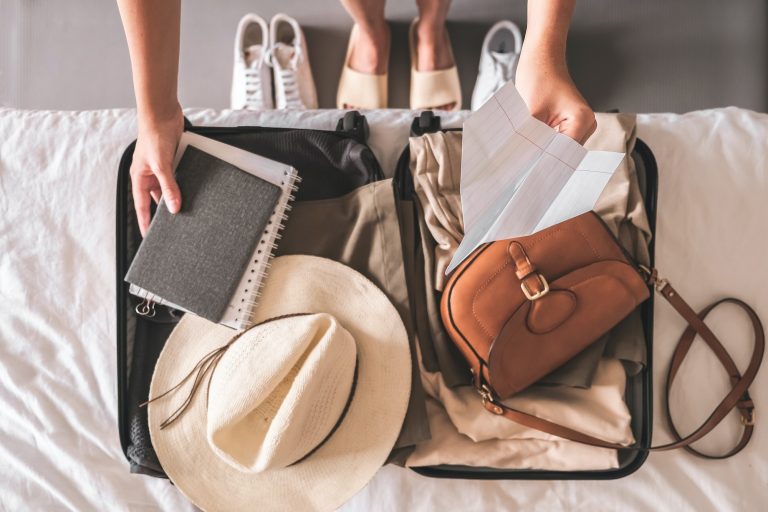
tip: If youâre flying, invest in luggage that rolls smoothly and doesnât fall apart. A broken wheel on a cobblestone street at 1 AM is not a good time.
Food and Drink: How to Keep Everyone Fed and Happy Without Drama
Food arguments are underrated trip killers. Someoneâs hungry, someone else wants a specific cuisine, and suddenly the group is stuck in a thirty-minute debate while everyoneâs hangry. Avoid this by making food decisions before hunger sets in.
For dinner, always make reservations. Groups of six or more walk in at their own risk. A reservation guarantees you have a table and youâre not waiting two hours. Split the bill upfront â use the app or assign one person to pay and collect later.
For breakfast and lunch, keep it casual. Grabbing food from a local spot or bodega is faster and cheaper than a sit-down meal. If youâre staying in a rental, order groceries for breakfast supplies. That way, the early risers can eat without waiting for the late sleepers. It also saves cash for nights out.
Dietary restrictions? Figure them out before you arrive. If someoneâs vegan, gluten-free, or allergic to something, plan a few meals that work for everyone. Itâs a small effort that shows you care and prevents the âI canât eat anything hereâ meltdown.
A portable cooler or insulated bag is great for keeping drinks cold during beach days or pool hangs. Itâs a small touch that makes spontaneous adventures easier.
Navigating Different Energy Levels: Partiers, Sleepers, and Everyone in Between
Not everyone in the group wants the same thing at the same time. Thatâs fine. what matters is to handle it without resentment. The partiers shouldnât feel held back, and the sleepers shouldnât feel pressured.
One strategy thatâs worked for my crew is the buddy system. Pair up people with similar energy levels. The night owls stick together; the early risers create their own plans. You donât all have to do everything together. The beauty of a group trip is that you can split and reconvene. Youâll have stories to share when you meet up.
Another approach is the âsilent disclaimer.â Before the trip, have a conversation where people say what theyâre most excited about and what theyâll probably skip. One person might want to sleep in and skip the day club. Another might want to stay out until sunrise. No judgment. No guilt. Just honesty.
Iâve seen groups where compromise actually made the trip better. The partiers pre-gamed at the rental while the sleepers took a nap. Then everyone went to dinner together, and after dinner, the night owls went to a club while the others went back to the house. Everyone got what they wanted without drama.
This only works if youâve established trust and respect before the trip. If you havenât, no amount of planning will fix it.
Safety First: How to Keep Your Group Out of Trouble
Party trips can get wild. Thatâs the point. But wild doesnât mean reckless. A few simple precautions keep the fun going without anyone getting hurt, lost, or stuck.
Share locations. Everyone should have at least one other personâs location shared on their phone. If someone disappears, you know where to look. Itâs simple and non-invasive.
Use the group chat for check-ins. After a big night, set a time the next morning for everyone to check in â a simple âIâm fineâ message or emoji. If someone doesnât respond, reach out individually. If theyâre unresponsive after an hour, escalate.
Designate a sober person. This doesnât have to be the same person every night. Rotate it. The sober person keeps an eye on everyone, handles decisions if something goes wrong, and makes sure nobody leaves with a stranger. Itâs a small sacrifice that can prevent a disaster.
Know the local emergency number. In the US, itâs 911. In Europe, itâs often 112. In other countries, itâs different. Save it in your phone when you arrive. You hope you never need it, but if you do, youâll be glad you have it.
A portable phone charger is a must. A dead phone in a new city is a nightmare. Bring a power bank that can charge multiple devices at once. Itâs a small item that pays for itself the first time someoneâs phone dies at 1 AM.

Common Group Trip Mistakes and How to Avoid Them
Here are the mistakes I see most often â and how to dodge them:
- Not agreeing on a budget before booking. Fix: Have the money conversation before anyone spends a cent. Use Splitwise from day one.
- Assuming everyone wants to do the same thing. Fix: Plan for flexibility. Buddy system. Silent disclaimers. Not everyone has to stick together.
- Not having a clear decision-making process. Fix: Decide how decisions get made before the trip. Majority vote or designated caller. Stick to it.
- Over-scheduling the itinerary. Fix: One anchor activity per day. Leave room for spontaneity. Donât let the schedule ruin the vibe.
- One person doing all the planning. Fix: Distribute responsibilities. Assign roles. Share the load.
- Ignoring sleep schedules. Fix: Acknowledge different energy levels. Plan for split activities. Respect each otherâs needs.
Avoiding these mistakes doesnât guarantee a perfect trip â nothing does. But it dramatically increases your chances of a great one.
Ready to Plan Your Group Party Trip?
Good coordination isnât complicated. Itâs a few simple habits â early budgeting, clear communication, flexible planning, and respect for different personalities. When you get those right, the rest takes care of itself. The laughs come easy. The memories happen naturally. And the only stress you feel is deciding where to go next.
Whether youâre booking a house, organizing a flight, or just getting the gear together, the foundation is planning. Start now. Get the group on the same page. And then get ready for a trip that everyone will talk about for years.
Ready to get started? Find your options here.