The Best Hangover Recovery Tips: A Practical Guide for Travelers
The Hangover Recovery Guide No One Wants to Admit They Need
Letâs cut the crap. Youâre reading this because youâve been thereâwaking up in a hotel room that smells like regret, with a head thatâs pounding and a stomach thatâs plotting mutiny. Travel hangovers hit different. Theyâre not just about the alcohol; theyâre the result of dry airplane air, disrupted sleep, and a radical change in your bodyâs routine. Iâve planned parties in cities from Bangkok to Berlin, and Iâve personally managed more brutal recoveries than I care to count. This isnât a fluffy guide. Itâs a tactical, survival-level breakdown of the best hangover recovery tipsâfrom prevention to the final, desperate measures you take when you just need to function. No judgment here. Just practical, battle-tested advice to get you back on your feet faster.

The Basics: Why Travel Hangovers Hit Harder
Itâs not just in your head. Travel hangovers are objectively worse than your standard Sunday morning regret. Hereâs the science that matters (and your body is feeling it right now). First, youâre probably already dehydrated. Airplane cabins have humidity levels lower than the Sahara. That 3-hour flight is basically a dry session. Add two glasses of wine at the hotel bar, and you’re starting from a deficit. Second, youâre drinking different alcohol. A craft IPA in a foreign city might have a different congener profile (fancy word for the nasty byproducts of fermentation) than what youâre used to. Darker drinks like whiskey and red wine are notorious for this. Third, your sleep quality is garbage. Jet lag, a weird pillow, and the ambient hum of a foreign hotel room all conspire to make your REM cycle a mess. Your body canât do a proper overnight detox. Combine this with unfamiliar food timing and potential shame over that 3 AM kebab, and you have a perfect storm. This isn’t about being dramatic; it’s about understanding why you need a specific playbook, not just a glass of water and a prayer.
Prevention: The First Step in Recovery
Look, I get it. Youâre on vacation. The last thing you want is a lecture about moderation. But âprevention isnât about ruining your fun. Itâs about creating a buffer so your fun doesnât ruin your morning. Hereâs the tactical plan for before you even order that first drink.
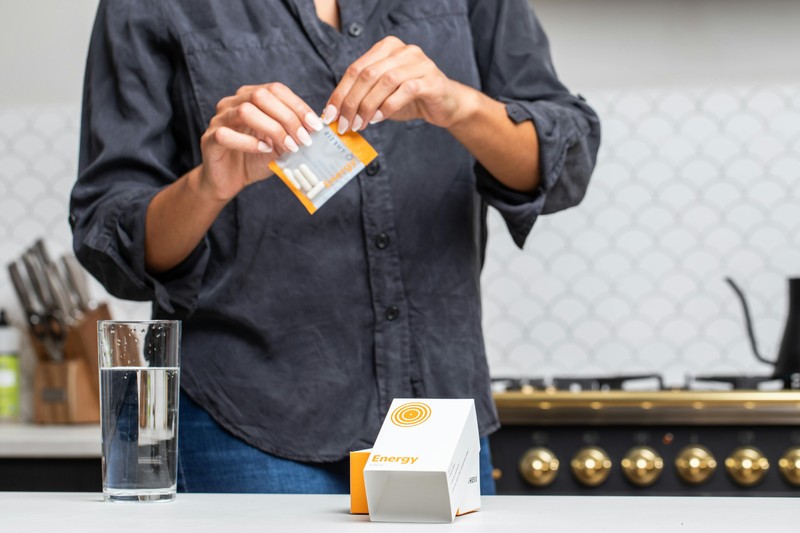
Pace yourself like a pro. The golden ratio is one alcoholic drink, one glass of water. Sounds simple, but itâs the single most effective thing you can do. Itâs not about being a hero; itâs about staying in the game longer without the price tag. Choose your poison wisely. If youâre out for a long night, stick to clear spirits (vodka, gin) with low-sugar mixers. Drinks with a ton of sugar will spike your blood sugar and crash it, making the hangover feel like the flu. Eat a real meal first. Not a handful of peanuts. A meal with carbohydrates and healthy fats slows alcohol absorption. Hydrate pre-load. Before you go out, drink a full water bottle. Even better, add electrolyte tablets or hydration packets. Brands like Liquid I.V., DripDrop, or Nuun are your new best friends. Travelers who need a convenient way to stay hydrated on the go might want to check out electrolyte hydration packets. Theyâre packable and they work. This isnât about being a health nut; itâs about being a smart traveler.
Immediate Action: What to Do the Moment You Wake Up
The alarm clock sounds like someone is screaming in your ear. Your mouth feels like a desert. Donât panic. Donât lay there and doom-scroll. The first five minutes are critical. Hereâs the immediate action plan.
Step one: Donât reach for coffee. Do reach for water. I know, itâs instinct. But caffeine is a diuretic. Itâs going to make dehydration worse. Instead, keep a large water bottleâone with a straw is a genius move because you can drink it without lifting your headâright next to your bed. Chug it. Then go to the bathroom. While youâre there, splash cold water on your face. Step two: Get in some electrolytes. If you have a packet of DripDrop or Liquid I.V., mix it into your water now. This isnât just water. Itâs scientifically formulated to rehydrate you faster than plain water. Step three: Moveâslightly.
Donât exercise. Just walk to the bathroom, maybe do a few gentle stretches. This gets blood flowing without triggering a revolt from your central nervous system. This timed, efficient approach matters because every minute you delay hydration, the harder the recovery. This isnât the time for heroics; itâs for a tactical, gentle reset.
Hydration Hacks: More Than Just Water
Plain water is fine. Itâs also painfully slow. Your body doesn’t just need water; it needs electrolytesâspecifically sodium, potassium, and magnesium. Drinking pure water can actually dilute your remaining electrolyte concentration, making you feel worse. This is why a hydration hack matters.
Best in class: Oral rehydration salts (ORS). These are the same thing doctors give for severe dehydration. Products like DripDrop, Nuun Sport, or Pedialyte are excellent. Theyâre not cheap, but theyâre less expensive than losing a full day of your vacation to misery. If youâre on a budget, a DIY versionâmix 6 teaspoons of sugar and 1/2 teaspoon of salt into a liter of waterâwill do the job.
Coconut water is a good natural option. It has potassium but is often low on sodium. Itâs a decent backup, but not the best. For a situation where you’re really struggling, the ORS is the heavy hitter. If youâre feeling fancy and have access to a smoothie shop, a banana, spinach, and ginger smoothie is a whole different level. The ginger settles your stomach, the banana gives you potassium, and the spinach gives you a vitamin boost. But when youâre in a hotel room with a pounding head, the packet is king. Luxury pick: Flyby Recovery. Itâs a premium hydration mix thatâs insanely effective, but you can get comparable results for half the price with DripDrop. Tradeoff: cost vs. convenience and speed of absorption. For most travelers, the packet is the winner.
Food as Medicine: What to Eat (and Avoid) to Recover Faster
Your stomach is a war zone. The wrong move can trigger a full retreat. The good news is you can win this battle with the right food choices. You donât need a five-star meal. You need a tactical meal thatâs easy to digest and full of the nutrients your body is screaming for.
What to eat:
- Banana: This is your number one friend. Itâs full of potassium, which youâre depleted of. Itâs soft, easy to eat, and doesnât taste like medicine. Eat one before anything else.
- Toast with honey: The toast is a simple carbohydrate that settles your stomach. The honey is a natural sugar that will give you a quick energy boost. Itâs not a grand meal, but itâs a perfect recovery food.
- Eggs: Theyâre packed with cysteine, an amino acid that helps break down the acetaldehyde (the nasty toxin that causes hangover symptoms). Scrambled or boiled is best. Avoid greasy, fried eggs.
- Broth or miso soup: This is the travelerâs savior. Itâs warm, hydrating, and full of electrolytes. You can find a good bowl in almost any city. Itâs comfort food with a purpose.
- Ginger tea or ginger ale: Ginger is a powerful anti-nausea agent. It will settle your stomach without being too heavy.
What to avoid:
- Greasy food: That bacon cheeseburger sounds like a miracle. Itâs a lie. Your already-stressed liver and stomach cannot process that fat efficiently. It will make you feel worse. , Iâve made that mistake many times.
- Too much coffee: One small cup is okay. Don’t go for a triple espresso. The acidity can irritate your stomach more.
If youâre in a hotel without a kitchen, order a simple room service breakfast: toast, a banana, and a ginger tea. If youâre on the street, find a convenience store for a banana and a bottle of water with electrolytes. This is not the time for adventure food. Stick to the basics.
Supplements and Aids: Do They Actually Help?
Thereâs a whole industry of products promising to kill your hangover before it starts or cure it in minutes. My honest, practical opinion? Most are a waste of money. Some are genuinely useful. Hereâs my breakdown based on experience and a bit of science.
Supplements that work:
- Vitamin B Complex: Alcohol depletes your B vitamins, which are crucial for energy. Taking a B-complex before you go out or in the morning can help your body process the alcohol and boost your mood. Itâs cheap and effective. A good one to have in your bag.
- Milk Thistle: This one is for your liver. Itâs believed to help protect liver cells and support detoxification. Is it a miracle? No. But itâs a safe, natural support for your most important recovery organ. I take one before a big night. Itâs a long-term play, not an instant fix.
- Activated Charcoal: This is controversial. It can absorb toxins, but it also absorbs your morning coffee and medications. Donât take it at the same time as other supplements or your hangover meds. Itâs more of a preemptive strike if you know you ate something questionable.
Products that are often overhyped:
- Chewable tablets like âCheersâ: Iâve tried them. They taste okay, but I never felt a dramatic difference. Theyâre expensive for what they are. Iâd rather spend the money on basic B vitamins and a hydration packet. Itâs more effective for the cost.
- Flyby (the premium option): This is the Rolex of recovery aids. Itâs a comprehensive vitamin and electrolyte blend. Does it work? Yes, itâs effective. Is it worth the price for a single night? Probably not if youâre budget-conscious. Itâs a âbest forâ when you know youâre going to have a really, really big night and you want the best possible buffer. The tradeoff is clear: high cost for high convenience.
My advice: Stick to B-complex, a good hydration mix, and a basic multivitamin. The fancy cocktails of supplements are usually a marketing gimmick. The basics are your best bet.
Common Mistakes That Make Recovery Slower
Youâre tired, youâre desperate, and you make bad decisions. Iâve made every single one of these mistakes myself. Learn from my pain.
Mistake #1: Taking pain relievers like Tylenol (acetaminophen). This is dangerous. Your liver is already working overtime processing alcohol. Acetaminophen is also processed by the liver. Combining the two can cause severe liver damage. Ibuprofen (Advil) is safer, but even then, itâs hard on your stomach lining. If you can manage without painkillers, do it.
Mistake #2: Jumping into caffeine immediately. I get it. The coffee shop is calling. But your bodyâs stress response is already spiked from the hangover. Caffeine adds to that. It raises your cortisol and can make you feel shaky. Have a small amount, not a pot.
Mistake #3: Forcing a workout. You think âsweating it outâ will help. It wonât. Youâre already dehydrated, and your body needs energy for recovery, not for burpees. A gentle walk is great; a crossfit session is a ticket to disaster.
Mistake #4: Eating a huge, greasy meal. Your digestive system is on strike. Donât force it to process a fried breakfast. Start small.
Low-Impact Activities to Get You Moving Again
Okay, youâve rehydrated, youâve eaten a banana, and the world is slowly coming back into focus. The worst is over. Now comes the part where you want to be a functional human being again. what matters is low-impact, gentle movement.
Best activity: A slow walk. Find a nearby park or a quiet street. Put on your headphones and walk at a pace that feels almost comically slow. This boosts blood circulation without spiking your heart rate. It literally helps flush out the toxins. Do it for 15â20 minutes.
Second best: Gentle stretching. Focus on your neck, shoulders, and lower backâareas that tense up when youâre hungover. Itâs a form of active meditation that calms your nervous system.
Third best if youâre stuck in your room: Forward folds. Stand up, bend at the waist, and let your head hang. This brings blood to your brain and can relieve a headache. Itâs simple, free, and works.
Donât overthink this. The goal isnât a workout. The goal is to get your body back to a state where you can enjoy the rest of your day. A 20-minute walk is exponentially better than lying in bed scrolling Instagram.
The Gear and Products That Save You on Travel Hangovers
You’re not going to be that person who walks around with a full pharmacy in their bag. But a tiny, travel-sized kit can be the difference between a lost day and a productive one. Hereâs the ultimate âbest forâ buyerâs guide.
1. The MVP: A reusable water bottle with a straw. Hydro Flask or a simple Nalgene works. The straw means you drink more without lifting your head. For those who struggle to drink enough when feeling rough, a reusable water bottle with a straw is a simple solution. Itâs a game changer. Best for: Hydration efficiency.
2. Electrolyte packets (the essential). DripDrop or Liquid I.V. are my picks. They pack flat, weigh nothing, and save your morning. Best for: Immediate rehydration. If youâre on a tight budget, buy a generic brand.
3. A portable, silk eye mask. A good one blocks out 100% of light. The Manta Sleep Mask is incredible. Best for: When you need to sleep in a room thatâs bright. Itâs luxury, but it works.
4. A mini first-aid kit with basics. A few ibuprofen (NOT Tylenol), anti-nausea meds (like Dramamine Non-Drowsy), and some ginger chews. Best for: A quick fix for the most common symptoms.
5. A portable hangover kit. Companies like âThe Hangover Kitâ sell pre-packed bags with everything. Theyâre convenient but expensive. Best for: Someone who wants zero planning. For the rest of us, building your own with the above is cheaper and more tailored.
The tradeoff is always cost vs. convenience. Thereâs no shame in spending a little to save your vacation. If you know youâre a light drinker, the DIY kit is fine. If youâre planning a multi-day bender, spend the money on the premium stuff.
When to Throw in the Towel: Knowing Your Limits
Sometimes, the best hangover recovery advice is to just accept the loss. Youâre not going to win every battle. If you have a fever, if the headache is crushing, if your stomach is in full rebellion, stop trying to be heroic. Youâre not going to the Louvre today. Youâre going to order room service, watch Netflix in your underwear, and sleep until noon.
This is not a failure. Itâs a tactical retreat. Your body is sending you a signal that it needs rest. Ignoring it will only make the recovery take two days instead of one. Iâve lost entire city days because I was too stubborn to admit I needed to rest. The most successful travelers I know know when to take a day off.
So if youâre reading this and itâs already 11 AM and you feel like death, just close the guide. Order the ginger tea. Go back to sleep. Youâll be better tomorrow. And youâll have all the tools to prevent this next time.
Ready to Bounce Back Faster?
A travel hangover is a brutal teacher. But it doesnât have to be a constant companion. The difference between a wasted day in a new city and a recovery that lets you enjoy the afternoon comes down to a few smart choices and the right gear. If youâre going on a trip where a few drinks are inevitable, donât gamble with your morning. Get prepared. Stock up on the essentialsâelectrolytes, a good water bottle, and some solid supplements. Itâs the only way to make sure your vacation memories are of the fun, not the fallout. Ready to get started? Find your options here.